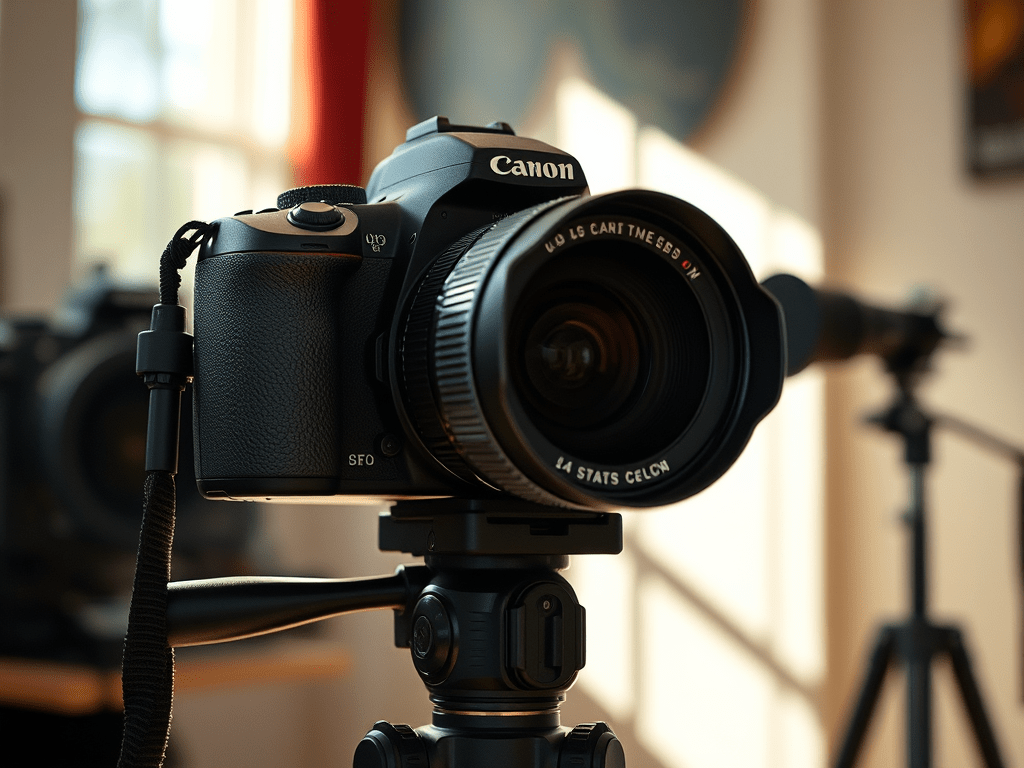
Photography is the art of capturing light on film or a sensor. While it used to be an expensive hobby, nowadays it’s as accessible as your smartphone. The technology behind photography has changed over time, but the basics are still the same: you need light and something to capture that light. If you’re interested in learning how to take better pictures but don’t know where to start, this guide will help get you started.
The art of taking pictures.
Photography is the art of capturing light. It is an art form that involves the use of light-sensitive materials to record images, as opposed to visual art forms that do not use light at all (e.g., sculpture). The word photography was first used in 1839 and developed from the Greek roots φωτός (phos) meaning “light”, γραφή (graphé) meaning “drawing”, and λογος (logos) meaning “word”. It was first used by Sir John Herschel in a lecture he gave on 19 March 1839 to the Royal Society of Arts in London:
The old definition of photography as ‘painting with light’ is still strictly correct, but it would be equally correct to say that every photograph is a picture painted with light and shade only instead of paint; for painting with colors cannot be said either truly or strictly to give us any idea at all of what goes on when we take a picture.[1]
Tools for taking pictures
To take a picture, you’ll need the following:
- A camera. Any camera will do, but a DSLR (digital single-lens reflex) is ideal as it has a better sensor and lens than point-and-shoot cameras.
- Lenses for your camera. The more expensive the lens, the better quality images you can get with it. If you’re just starting out and don’t have much money to spare, try renting lenses from your local photo store or library.
- A tripod to stabilize your image when taking portraits or long exposures in low light conditions that require slow shutter speeds to capture movement in water or clouds
A camera takes pictures by letting light hit pixels on a light-sensitive sensor.
A camera takes pictures by letting light hit pixels on a light-sensitive sensor. The sensor is part of the camera that captures light and converts it into an electrical signal. This electrical signal is sent to the camera’s processor, which then converts it into an image.
To understand how this process works in more detail, we first need to examine what happens when you look at something with your eyes:
Smartphones, DSLR cameras, and point-and-shoot cameras all use the same basic principle to take pictures.
All cameras use the same basic principle to take pictures. They all use light to record images and then store those images on some sort of memory card. The camera’s sensor is what converts light into an electric current, which can be translated into digital information that is stored as a picture file.
The sensor in your smartphone camera likely looks very similar to the one in your DSLR (or digital single-lens reflex) camera—it’s just smaller! In fact, most point-and-shoot cameras also use this type of technology; however, their sensors are typically much smaller than DSLRs or smartphones because they don’t need as much space for recording images.
SLR stands for single lens reflex;
This type of camera uses mirrors to let the photographer see just how the image will appear on the sensor. The mirror flips up when the shutter is released, exposing the sensor to light. The mirror then flips down again, allowing the photographer to see the image on the screen.
Points and shoots often have flexible zoom ranges; this means you can get closer to your subject without moving your feet.
A zoom lens is a common feature of point-and-shoot cameras. It’s a lens that allows you to zoom in and out like you might do with your eyes when looking at something far away or close.
The range of the zoom is referred to as its “zoom range.” The maximum focal length is the furthest distance from an object that can be photographed with the camera, while the minimum focal length is the closest distance from which an object can be photographed. For example, if you have an 18mm lens on your point-and-shoot camera, then this means that you can take photos from anywhere between 18mm (far) and infinity (close). This would make it possible for you to get closer without moving yourself physically closer because your perspective remains unchanged: things will look smaller as they get closer but keep their relative size compared with each other; objects that are farther away will appear larger than those closer up despite being shot with a longer focal length.
If instead, we say our camera has a 24mm max focal length capability (which would mean it could shoot images all over 13 feet away), then this would allow us greater flexibility both when photographing landscapes or portraits because we could focus on objects much further away than before—something not possible before digital cameras allowed for such long lenses
Smartphones are generally easier to use in bright light than point-and-shoots or DSLRs.
This is because their sensors are smaller, and they tend not to have as many features (which can be a good thing).
- Smartphones are generally easier to use in bright light than point-and-shoots or DSLRs.
- Smartphones are generally easier to use in low light than point and shoots or DSLRs
- Smartphones can be used in the dark with a flash
With practice, anyone can take good photographs.
Smartphones are generally easier to use in bright light than point-and-shoots or DSLRs. This is because their sensors are smaller, and they tend not to have as many features (which can be a good thing). Smartphones are generally easier to use in low light than point-and-shoots or DSLRs.
- With a smartphone. While most people think of DSLR cameras when they hear “photography”, smartphones are actually capable of taking high-quality images as well—you just have to know how to get the most out of them.
- With a point-and-shoot camera. Point-and-shoot cameras are easy to use, compact and portable, but they still deliver great-quality pictures with some practice!
- With a DSLR or other interchangeable lens camera. If you’re serious about photography and want better control over your shots, investing in a DSLR is worth it—especially if you plan on using the same equipment for years to come or even starting a side business!
Conclusion
That’s the basics of taking pictures. Once you know how to use your camera, it’s just a matter of practice and patience. Remember: the best photographs don’t always come from the most expensive equipment or fancy lenses.


Leave a Reply