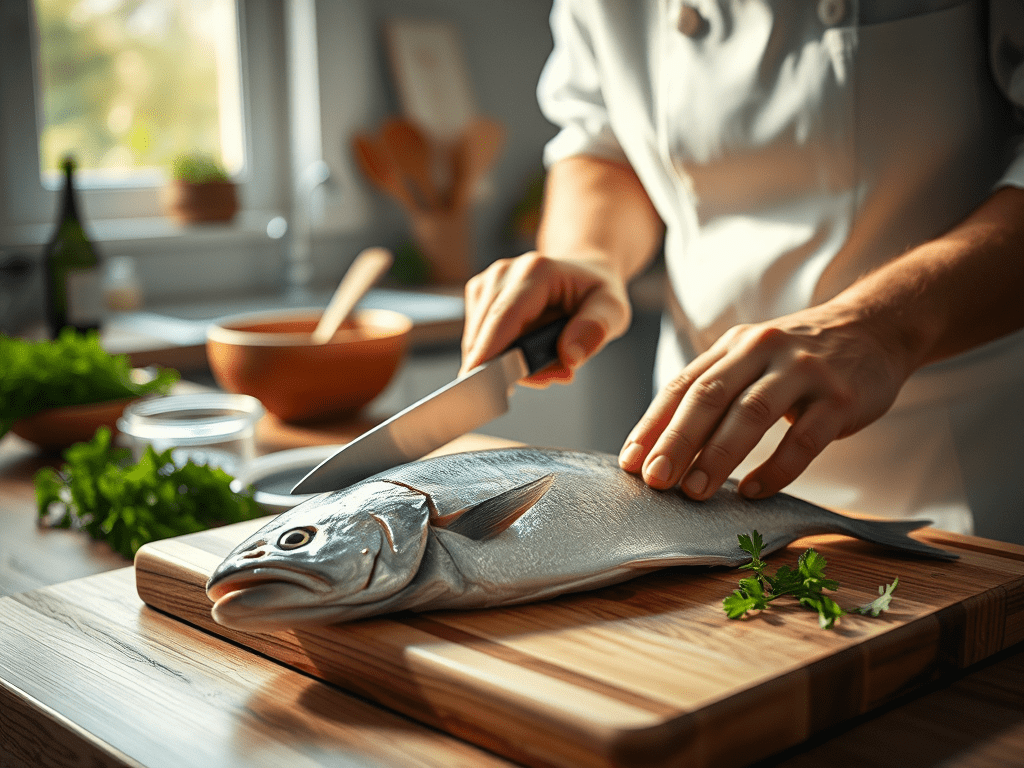
Filleting fish is an art form almost as old as time itself. It requires a steady hand, knowledge of the anatomy of the fish, and a sharp knife. It’s also a skill that can make any meal even more delicious. But filleting isn’t just a practical task; it can also be an enjoyable experience. With patience and practice, anyone can become an expert at transforming a whole fish into perfect-looking fillets. If you’re new to the process, here are six tips to help make it easier.
Remove The Skin
Removing the skin from a fillet of fish is a relatively simple process. To start, hold the fillet in one hand and place a filleting knife at the tail end of the fish. Then, carefully make a shallow cut into the skin and run the knife against the skin in a downward motion. This should separate the skin from the flesh, enabling you to remove it easily. Make sure to rinse the fish thoroughly before and after this step to ensure that all debris is removed.
Make A Horizontal Slice In The Middle Of The Fillet
When filleting fish, a key step is making a horizontal slice in the middle of the fillet. This is done by inserting a fillet knife into the middle of the fish, just behind its head, and slicing down evenly towards its tail. Doing this will create two even-sized fillets that can be cooked or frozen later. It is important to use a sharp knife when making this cut to ensure the slices are even and that any bones are removed from the flesh.
Use A Knife That’s Sharp Enough To Penetrate The Fish Without Splitting It In Two
When filleting a fish, it is important to use a sharp knife to avoid splitting the fish in two. A sharp knife will penetrate the fish more easily and precisely, allowing you to cleanly separate the flesh from the bones. When selecting a knife, ensure it is sharp enough to accomplish this without splitting the fish. Using a dull knife can not only ruin the appearance of the fillets but can also make them difficult to prepare and cook. By selecting the right knife for filleting, you can ensure that your finished product is as beautiful and delicious as possible.
Don’t Over-Fillet Your Fish! Leave Some Bony Parts Undamaged For Taste And Texture
When it comes to filleting fish, it can be tempting to maximize yield by removing every last bit of flesh. However, careful filleting can leave some bony parts undamaged and result in a better-tasting, texturally interesting meal. For example, leaving the rib cage and backbone intact can lead to a more flavorful dish that is more enjoyable to eat. It is important to note that the number of bony parts left undamaged will depend on the type of fish being filleted. By doing this, fish filleters can create delicious meals with the bonus of not having to deal with pesky bones.
Rinse Your Fillets With Water After You’ve Finished Filleting Them
Once you’ve finished filleting your fish, it’s important to rinse the fillets with cold water. Doing so will help remove any remaining scales, small bones, and debris. It is also beneficial to remove any excess blood or other proteins that may be present, which can help improve the fish’s flavor. Rinsing your fillets with cold water after you’ve finished filleting them is an essential step in the preparation process.
Store Your Fillets In Plastic Containers, So They Stay Fresh Until You’re Ready To Eat Them
If you’re looking to get the most out of your freshly caught fish, it is important to store the fillets in plastic containers until you are ready to eat them. This will help the fillets stay fresh, as airtight plastic containers keep out extra oxygen and moisture. Additionally, if you plan to freeze your fillets, ensure they are stored in an airtight container so they don’t take on any unwanted flavors or odors. With a little preparation and care, your fish fillets can stay fresh and delicious until you’re ready to enjoy them.
Conclusion
Filleting fish can be a time-consuming and tedious task, but it is well worth the effort! You can ensure that your fillets are perfect every time with a few simple steps. Start by selecting the freshest fish, use a sharp knife, and take your time with each cut. Before long, you will be an expert at filleting fish! So grab your knife and get to work — dinner won’t catch itself!
 Cuisine & Couture
Leave a comment